Tulsi Lake Mumbai
About
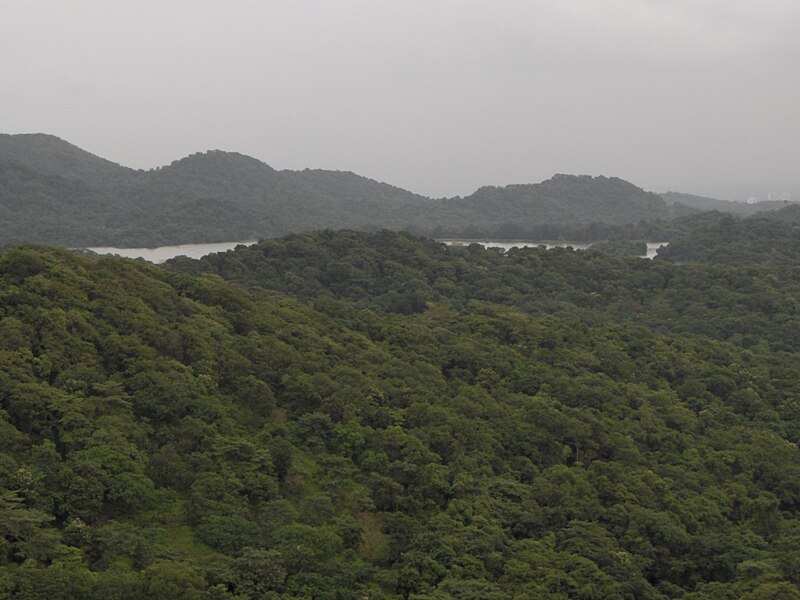
Mumbai's smallest and most picturesque lake, Tulsi Lake lies deep within Sanjay Gandhi National Park. The lake's tranquil waters surrounded by dense forest create a magical atmosphere far removed from Mumbai's urban chaos.
Basic Information
How to Reach
Enter through Sanjay Gandhi National Park Borivali gate. Western Railway to Borivali, then auto to SGNP entrance.
By Metro:
The nearest metro station is Devipada (4.7 km away) on the Line 7.
Nearby Metro Stations
Nearby Local Train Stations
Local train stations within 3 km of Tulsi Lake
No local train stations found within 3 km.
History
Built in 1879 to augment Mumbai's water supply after Vihar Lake proved insufficient. The dam created Tulsi Lake from a natural valley within what is now SGNP. The name comes from the abundance of tulsi (basil) plants in the area.
Frequently Asked Questions
Named after the abundant tulsi (holy basil) plants growing in the area
The lake is sometimes visited by leopards that inhabit SGNP
Overflow from Tulsi Lake cascades into Vihar Lake during heavy monsoons
The trek to Tulsi Lake from Kanheri Caves is scenic but moderately strenuous
Carry water and snacks as there are no shops nearby
Best visited during or just after monsoon when the lake is full
Featured in Travel Guides
Tulsi Lake appears in these curated Mumbai travel guides.
More Nature Places in Mumbai
Other nature attractions across Mumbai worth exploring.



Nearby Attractions
Other popular places to visit near Tulsi Lake
Tulsi Lake
Nature

Kanheri Caves
Historical
Sanjay Gandhi National Park
Nature

Sanjay Gandhi National Park (SGNP), Borivali
Nature

Sanjay Gandhi National Park - Leopard Safari
Nature
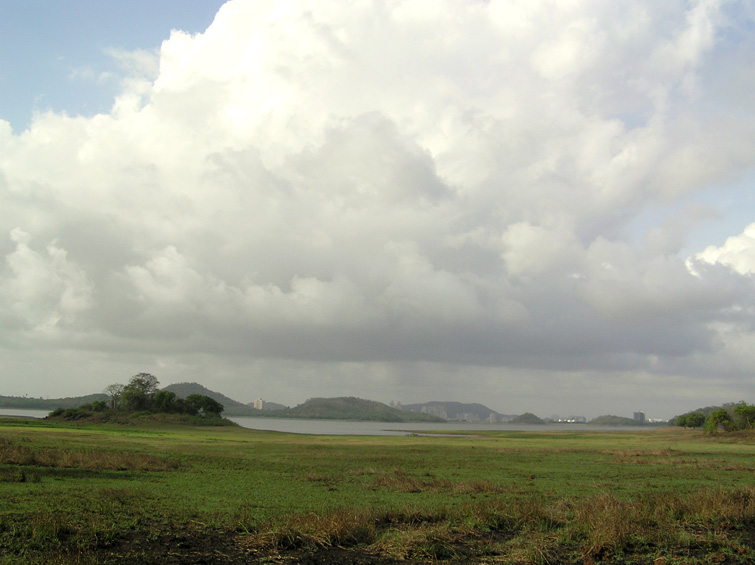
Vihar Lake
Nature

Yeoor Hills Nature Trail, Thane
Nature
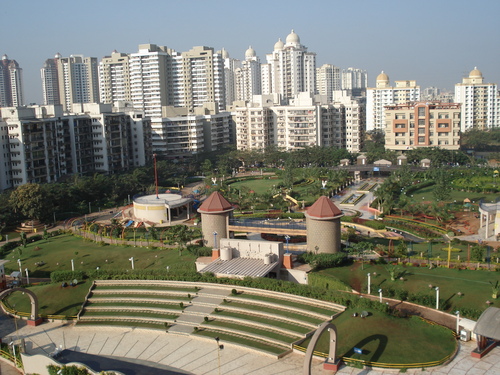
Thakur Village & Poisar River Walk, Kandivali
Nature
Vihar Lake, Borivali
Nature
SGNP Borivali Gate - Nature Experience
Nature